Edoardo Galli was fit and healthy until a complex chronic illness gave him a shopping list of symptoms and few answers, as tests came back normal and treatments were lacking. Like many people in similar situations, he was left looking for ways to self-manage his health and found one strategy – pacing.
From there, he and wife Eliza Grigg merged their skills to develop ChronicAlly, an app to help people with complex illnesses implement pacing. “My skills are in biomedical engineering and I have a PhD in physics focusing on hardware for artificial intelligence, while Eliza is a former NZ alpine ski racer turned business analyst,” says Galli.
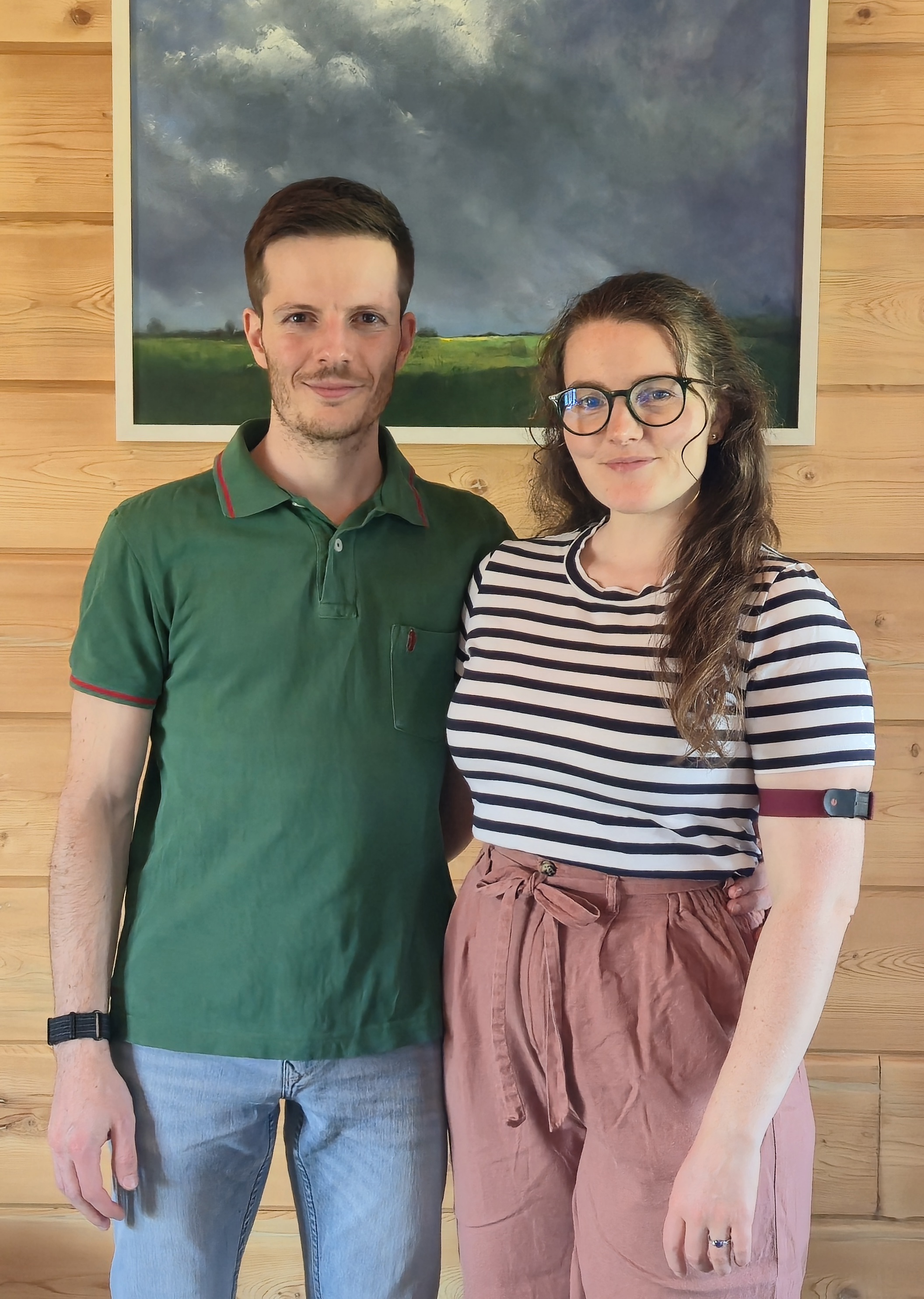
Galli began recording his own physiological signals so he could cross-reference the data with his symptoms and activities, “I wanted to identify patterns and triggers so that I could adjust my daily life to limit the boom and bust cycles I was going through.”
Galli saw a need to build something to help himself and others, citing a lack of suitable and comprehensive tools for people in his shoes. “People with energy-limiting complex chronic conditions such as ME/CFS and Long COVID often experience Post-Exertional Malaise which is a worsening of symptoms for days or weeks following overexertion. Pacing is a recommended strategy to reduce the extreme peaks and valleys of symptoms, but it is very hard to figure out without proper feedback.”
“Globally, some 100 million people have some sort of complex chronic condition affecting their lives, and these numbers exploded throughout the pandemic. While women seem to be disproportionately affected with these conditions, they cross all age-groups”, says Galli.
“What Edoardo needed, and what people with these conditions worldwide need, is practical and accessible support with tools that help track energy and limit overexertion. These tools also help raise awareness of the urgent need for better care and research,” says Grigg.
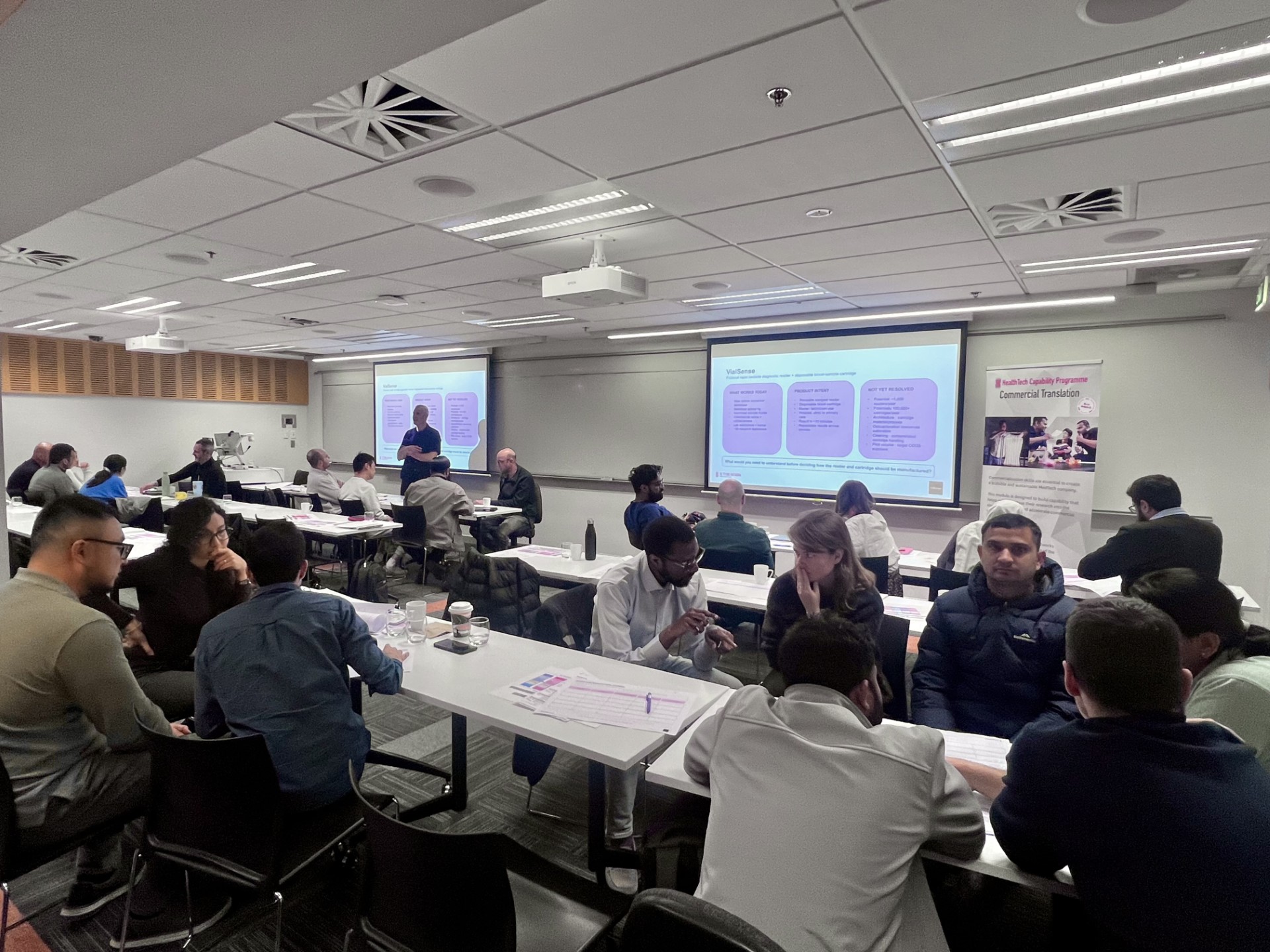
Participation in the UC HealthTech Validation Challenge at the University of Canterbury saw them engage with potential users, industry experts, and academics to validate their idea and understand how to best execute it. They also were selected for the Ministry of Awesome’s Founder Catalyst programme shortly after.
“One post and word of mouth gave us a pool of 200+ for our first pilot, which gives you an indication of just how many people need help. We selected 20 people who are currently part of the pilot, and we hope to run a much bigger programme later in 2026, focusing on data and insights.”
Their pilot was supported by a grant from then-Callaghan Innovation. Not surprisingly, Galli and Grigg need more funding to upscale and hire others to help spread the load so they can, in their words, “go further faster”.
“The quickest way to assess exertion is using truly continuous heart rate monitoring. Live alerts can then help you figure out when to take a break, stop and rest,” says Galli.
“We focused on developing a wearable/app combo for chest or wrist using Polar devices – a Polar 360/Loop for the arm or wrist, and a Polar H10 for the chest because they provide the accurate and continuous heart rate monitoring essential for effective pacing,” says Grigg. Going forward, they’re looking to add compatibility with other devices such as Garmin to increase accessibility.
ChronicAlly works on two timescales to help patients pace their day efficiently. “In real-time, we monitor the user’s heartrate and alert them if they exceed their personalised thresholds and riskoverexertion. We track their metrics daily and over time to help people plan their activities accordingly,” says Grigg.
“Users can see how activities affect their body signals, so they can adjust what they do and how. An accessible health journal helps to log symptoms easily, enabling the user to understand more about their energy patterns, so they learn more about triggers, flare-ups and what helps them feel better. In short, we’re trying to give people with unpredictable health conditions a bit more control,” says Grigg.
“A data-driven approach like ChronicAlly benefits the patient and their health professionals which is why we’re also talking to clinicians about their needs. Our approach means structured data can validate patients experience and also be shared to support health professionals facing complex care needs,” says Grigg.
In May 2026, they’re taking their beta product to a key healthtech forum in Melbourne and planning their phase two pilot while also keeping an eye on potential overseas markets such as the US and Europe.
Follow their journey here: https://www.linkedin.com/company/mychronically/?originalSubdomain=nz

.jpg)