A great idea is only the beginning when it comes to medtech design. It can take several years to refine and scale a device for production.
The process of designing, prototyping and finalising a device requires simultaneous consideration of clinical requirements, product design, materials, manufacturing, regulation, testing, costs and supply chains. Designers, engineers, suppliers and manufacturers must be engaged early to help identify risks and prevent expensive redesign work. Innovators must document their design decisions so they retain ownership of their product and intellectual property.
This is the world of Design for Manufacture in Medical Device Development and the subject of a Medtech-iQ Tāmaki Makaurau workshop delivered through its HealthTech Capability Programme (Te Tītoki Mataora) in late August 2026.
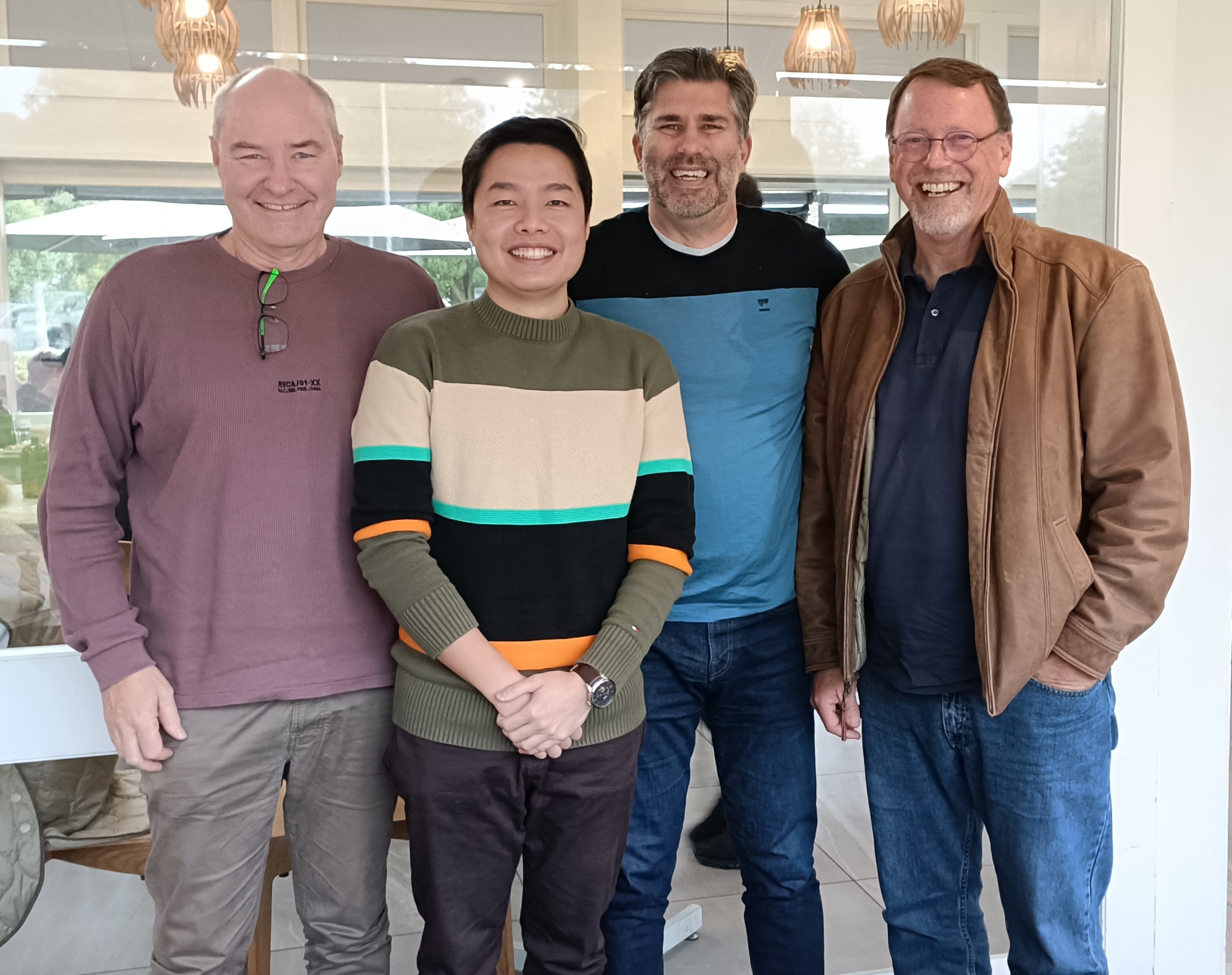
The workshop was led by Jesse Keith, founder and design director at Vivid Origin, Associate Professor – Industrial Design; Rodney Adank, Associate Professor – Industrial Design at Massey University; and Simon Fraser, Professor at the School of Design Innovation at Victoria University of Wellington.
“The workshop explored how medtech teams can draw on expertise from design, engineering and manufacturing alongside regulatory specialists and clinical collaborators to strengthen product decisions and create market-ready medical devices,” says Fraser.
Some 40 researchers, founders, engineers and health technology professionals were taken through the commercialisation pathway, learning how Medtech-iQ Aotearoa connects innovators with the expertise, capability and networks needed to reduce translation risk and move health technologies towards real-world impact.
The workshop enabled participants to apply a practical framework to their own projects, identifying current requirements, manufacturing implications, risks, evidence gaps and next steps.
Real-world perspectives from Kitea Health, JUNOFEM and Alimetry showed how Design for Manufacture plays out across different stages of medtech development.
Each company has navigated the transition from research and early prototypes towards manufacturable products and commercial markets, drawing on expertise spanning research, clinical practice, engineering, manufacturing, quality, regulatory and commercialisation.
Their experiences highlighted that manufacturing cannot be treated as a final step. Decisions made early in development can influence everything from product performance and regulatory requirements to cost, supply chains and the ability to scale.
Each put together cross-disciplinary teams covering research, clinical knowledge, bioengineering, microscale technologies, engineering science, translational physiology clinical trials, manufacturing, quality, regulatory and commercial expertise. Funding sources included government grants, health groups, and venture funding.
Jesse Keith put the challenge very clearly: “Many medical technologies fail not because the science doesn’t work, but because the product cannot be manufactured reliably, affordably, or at scale.”
Simon Fraser echoed that challenge: “Design for Manufacture is not an aesthetic afterthought. It means considering early how a medical technology will be manufactured, scaled and successfully delivered to clinicians and patients. Cross-sector collaboration can bring new materials, processes and ways of thinking into medtech, helping teams reduce costly rework and move more confidently from research to real-world impact.”
Manufacturing considerations must be addressed continuously throughout the development process because the design may well change as a device goes through the product development cycles and regulatory approvals processes.
The experiences shared by Kitea Health, JUNOFEM and Alimetry reinforced a central message from the workshop: successful translation requires teams to think about manufacture early and revisit it throughout development.
Through the HealthTech Capability Programme, Medtech-iQ Aotearoa connects innovators with specialist expertise, practical capability and networks to help navigate these challenges from early development through to market.

.jpg)